



Home
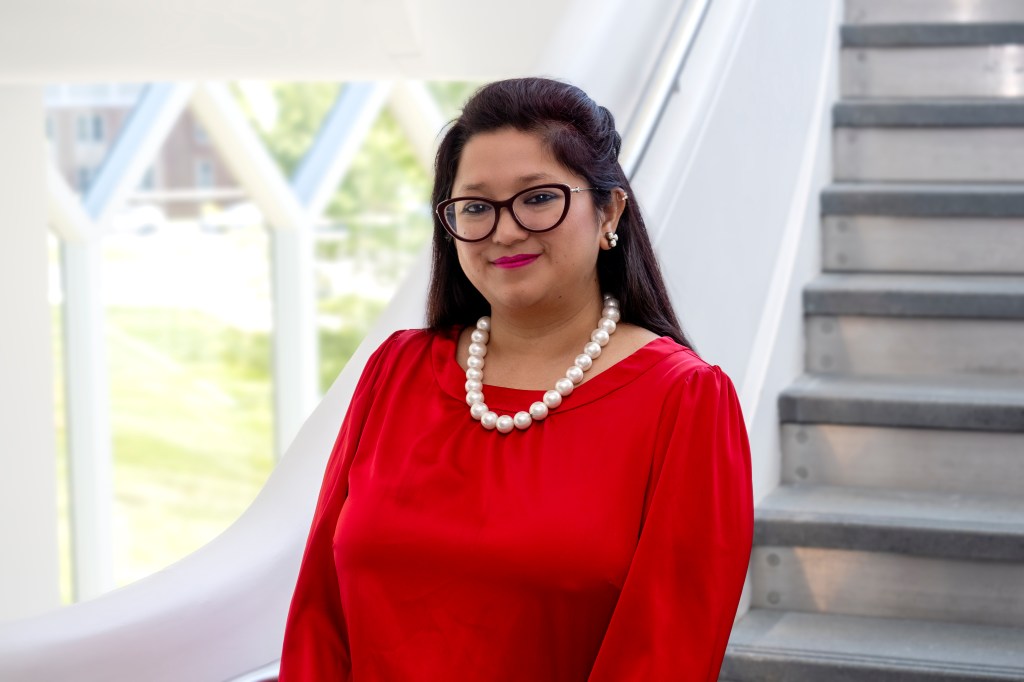
Dr. Sweta Baniya is an Associate Professor of Rhetoric, Professional, and Technical Writing in the Department of English at Virginia Tech. She is the recipient of the 2025 Rhetoric Society of America’s Fellows’ Early Career Award. She serves as an Affiliate Faculty in the Women and Gender Studies Program. Dr. Baniya earned her Ph.D. in Rhetoric and Composition from the Department of English at Purdue University in West Lafayette, Indiana. She has two Master’s Degrees from Tribhuvan University and Pokhara University in Nepal. She is the author of Transnational Assemblages: Social Justice and Crisis Communication During Disaster and 40 peer-reviewed articles published in various national and international interdisciplinary journals within Humanities, Technical Communication, Disaster studies, and Engineering.
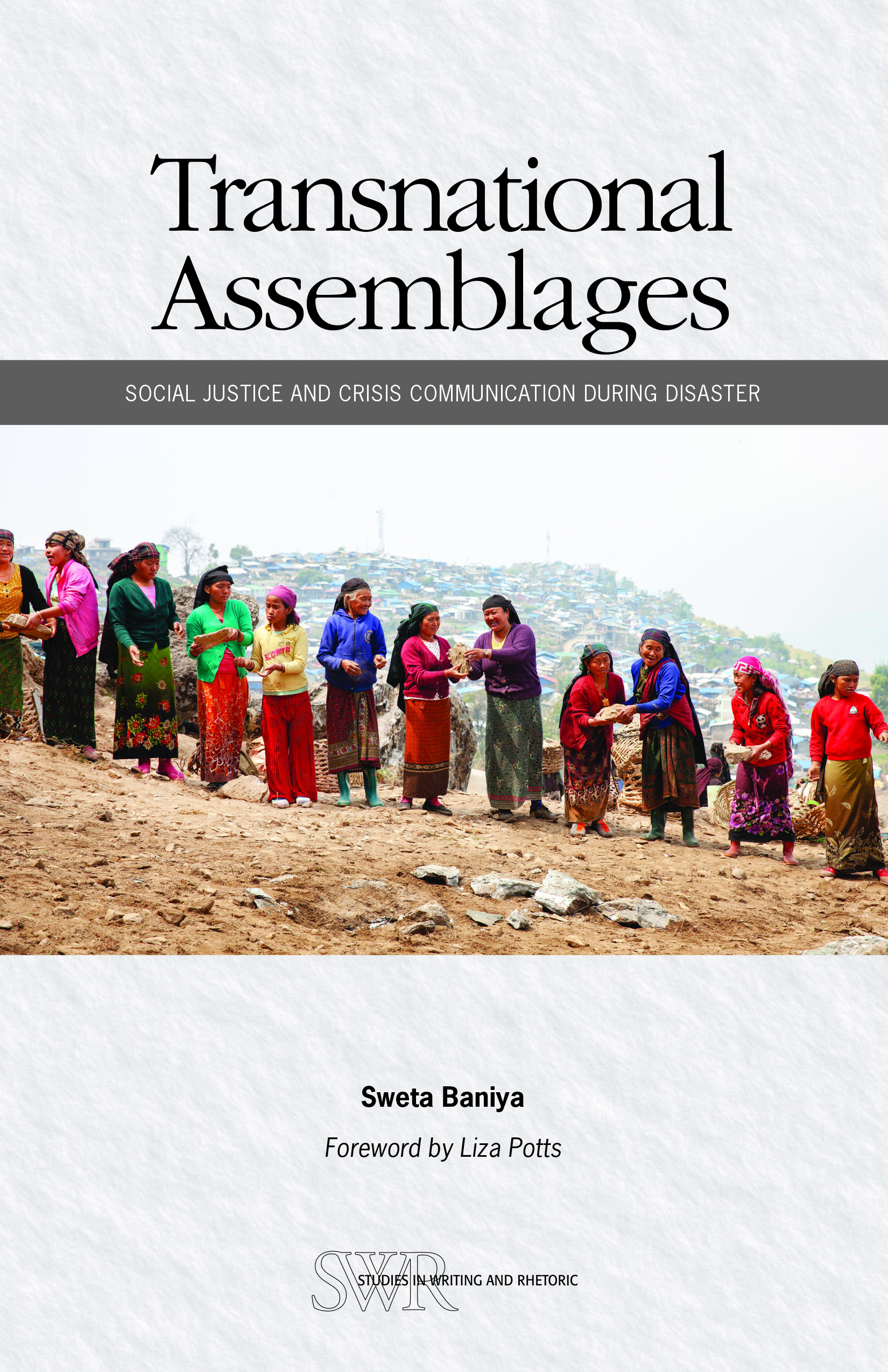
Her book features case studies on the 2015 Nepal Earthquake and the 2017 Hurricane Maria in Puerto Rico, offering strategies for researchers and practitioners to rethink complex, digitally mediated crisis communication through social justice and transcultural frameworks. The book is available for :
- (a) free download via the WAC Clearinghouse
- (b) can be ordered online via Amazon
Her second book, Rhetorics of Disaster: Transnational Feminist Actions and Approaches to COVID-19, is under advanced contract with The Ohio State University Press (New Directions in Rhetoric and Materiality series). Her third book is a collaborative project with Dr. Liza Potts, currently in the proposal stage.

Dr. Baniya has also led a community-based project in collaboration with refugee women in the Blacksburg/Roanoke area, developing a mobile application to support preparation for the U.S. Citizenship Exam. Funded by the American Council of Learned Societies (ACLS) Digital Justice Seed Grant, this project uses participatory action research and knowledge justice theory to design digital tools that address the challenges refugees face in gaining U.S. citizenship. You can download this application for free by clicking on the photo or here via this link.
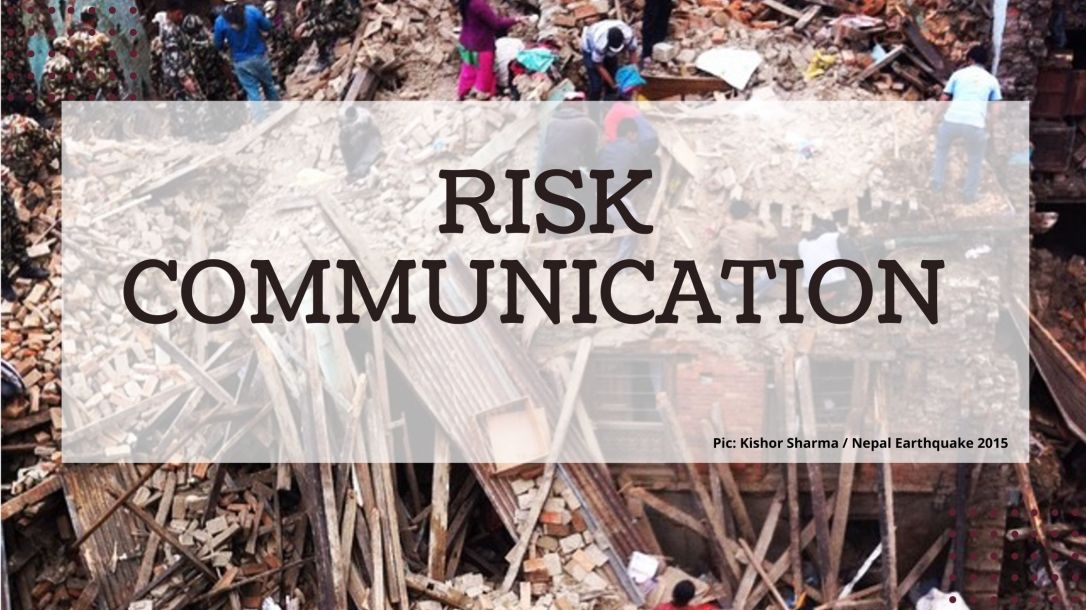
She teaches both undergraduate and graduate courses at Virginia Tech, focusing on global rhetorics, international community engagement, and risk communication. Her research is shaped by her experience as a communication practitioner and community organizer, with scholarly interests in disaster response, non-Western rhetorical traditions, and feminist rhetorics. She is a founding member and former moderator of #NextGen, the first international graduate student listserv in the field.
Her dissertation received the 2021 CCCC Outstanding Dissertation Award in Technical Communication (Honorable Mention). She has also been recognized with the Coalition of Community Writing Emerging Scholars Award. Overall, Dr. Baniya has received 14 + major awards for her scholarship and service, including national and international recognitions such as the CCCC Chair’s Memorial Award (2020), CCCC Scholars for the Dream Award (2019), CPTSC and Bedford St. Martin’s Diversity Scholarship Award (2019), ATTW Amplification Award (2019), and the Kairos Service Award for Graduate Students and Adjuncts (2019). She has also been awarded nine competitive grants and five national and international fellowships.
Before her academic career, she worked for eight years as an English News Reader and Editor for Nepal’s national radio, Radio Nepal, and for nearly three years as a journalist with the Nepal Bureau of China’s official Xinhua News Agency. She later transitioned into professional writing roles with nonprofit organizations, including the United Nations, as a Communications Officer/Associate. In her personal time, Dr. Baniya enjoys writing fiction, poetry, and monologues, which she publishes on her blog The Coffee House Revival and in local Nepali newspapers.
Here’s her CV
Contact and Other Information
- Email: baniya@vt.edu
- ORCID ID
- Google Scholar Profile

 Sweta Baniya, PhD